Let me be honest with you from the very first line.
Luxury is one of the most misunderstood words in the Nigerian business vocabulary. We say luxury and we mean expensive. We say luxury and we mean imported. We say luxury and somehow, almost automatically, we mean foreign.
And that misunderstanding is costing Nigerian founders billions.
Because luxury was never about price. It was never about a label sewn in Paris or a package shipped from London. Luxury, at its truest and most powerful, is about perception. It is about desire. It is about building something so intentional, so carefully considered, and so deeply positioned that people do not just want to buy it, they want to be associated with it.
And Nigeria? Nigeria is one of the most fertile grounds on earth for that kind of brand.
I know this because I work with brands every day. I see what happens when strategy is laid before design. I see the moment a business stops looking like a hustle and starts looking like a legacy. And I know with everything in me that the next great luxury brands are not going to come from Europe.
They are going to come from here.
So if I were starting a luxury brand in Nigeria today, from scratch, with everything I know, This is exactly how I would do it.
I would start with a point of view, not a product
The biggest mistake I see Nigerian founders make is starting with what they want to sell. The bag. The dress. The skincare line. The furniture collection. They begin with the thing and try to work backwards into meaning.
Luxury does not work that way.
Every luxury brand that has stood the test of time; locally or globally was built on a point of view first. A belief. A perspective. A distinct way of seeing the world that the brand then expressed through everything it made.
Before I designed a single product, I would sit down and ask myself the hardest question any founder can ask: What do I actually believe?
Not what do I want to sell. Not what is trending. Not what is working for someone else.
What do I believe about beauty? About craft? About the woman or man I am designing for? About Nigeria? About the world they move through and the world they are trying to build?
The answer to that question would become the soul of the brand. And a brand with a soul is a brand that lasts.
I would claim Nigerian identity as a luxury asset, not a limitation
The truth too many Nigerian luxury founders have not yet made peace with is that the world is hungry for us.
Not a watered-down, apologetic, internationally-palatable version of us. The real thing. The full thing. The complexity, the colour, the history, the craft, the language, the texture, the narrative. All of it.
Chanel built a luxury empire on French elegance. Bottega Veneta built one on Italian craft. Ralph Lauren built one on an entirely romanticised vision of American heritage. Every great luxury house has a geography, a sense of place so specific and so proudly claimed that it became the very thing people paid to belong to.
Nigeria has that. In abundance.
We have craft traditions that predate most European luxury houses by centuries. We have textiles; Aso-oke, Akwete, Adire with histories and techniques that luxury consumers globally are beginning to discover and desire. We have an aesthetic language that is layered, dramatic, and completely our own.
If I were building a Nigerian luxury brand today, I would not hide any of that. I would architect the entire brand around it. I would make being Nigerian the most premium thing about the brand. Not a footnote, not a fun fact, but the foundation.
Because the market that is most underserved right now is not people who want something that looks like it came from Paris. The market that is most underserved both in Nigeria and globally is people who want something that could only have come from here.
I would build the strategy before I touched the aesthetics

This is the part most people skip. And skipping it is what separates the brands that briefly catch attention from the brands that build generational equity.
Before I chose a name, before I selected a colour palette, before I hired a designer or opened a Canva tab I would do the strategic work.
Who is this brand for? Not in a vague, everyone-who-appreciates-quality sense. Specifically. Precisely. A real person with a real life, a real income, a real set of aspirations, and a real reason to choose this brand over every other option available to them.
What does this brand stand for? What does it refuse to do? What are the non-negotiables that will hold even when a trend makes compromise look attractive?
How does this brand sound? What is its personality? If this brand were a person at a dinner party, how would it enter the room? What would it say? What would it never say?
These are not philosophical exercises. They are the blueprint. And every design decision — every colour, every font, every piece of campaign copy, every packaging material flows from the answers to these questions.
Strategy is what makes a luxury brand feel inevitable. Like it could not have been any other way. That feeling of inevitability is not an accident. It is the result of intentional, disciplined strategic work done before anyone touched a mood board.
I would price for the brand I am building not the market I am afraid of
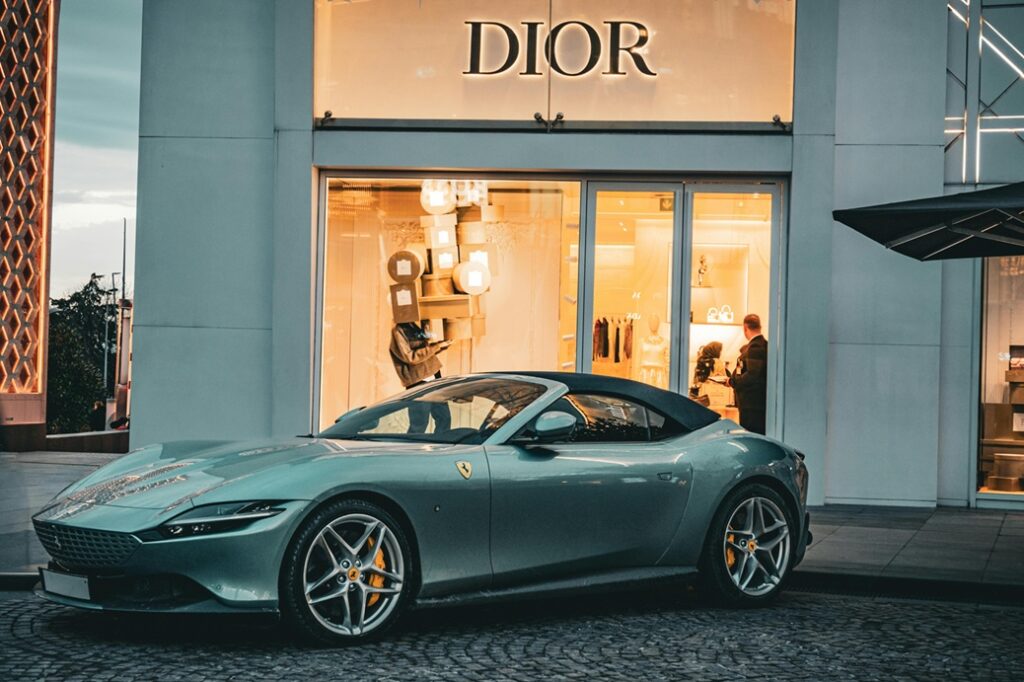
Pricing is one of the most misunderstood brand decisions a founder makes. And in Nigeria, it is where I see the most self-sabotage.
There is a particular fear that lives in the chest of many Nigerian founders, especially women. The fear of being too expensive. The fear of being seen as overpriced. The fear of losing a customer who balks at the number.
And so they underprice. They apologise for their pricing. They give discount because someone asked. And in doing so, they accidentally communicate to the market that their brand is not worth what luxury commands.
Here is what I know: premium clients — the ones who invest without negotiation, who refer without being asked, and who become the foundation of a luxury brand’s reputation, do not respond to low prices. They respond to confidence.
Luxury pricing communicates both value and belonging. When you price at a premium, you are quietly telling the world who this brand is for and more importantly, who it is not for. That exclusivity is not cruelty. That exclusivity is the very thing that makes luxury desirable.
I would set my prices at the level that reflected the craft, the strategy, the intention, and the experience I was offering and I would hold that number with complete confidence.
Because a brand that apologises for its price will never be perceived as luxury. No matter how beautiful the product is.
I would build the visual identity to communicate before a word is spoken
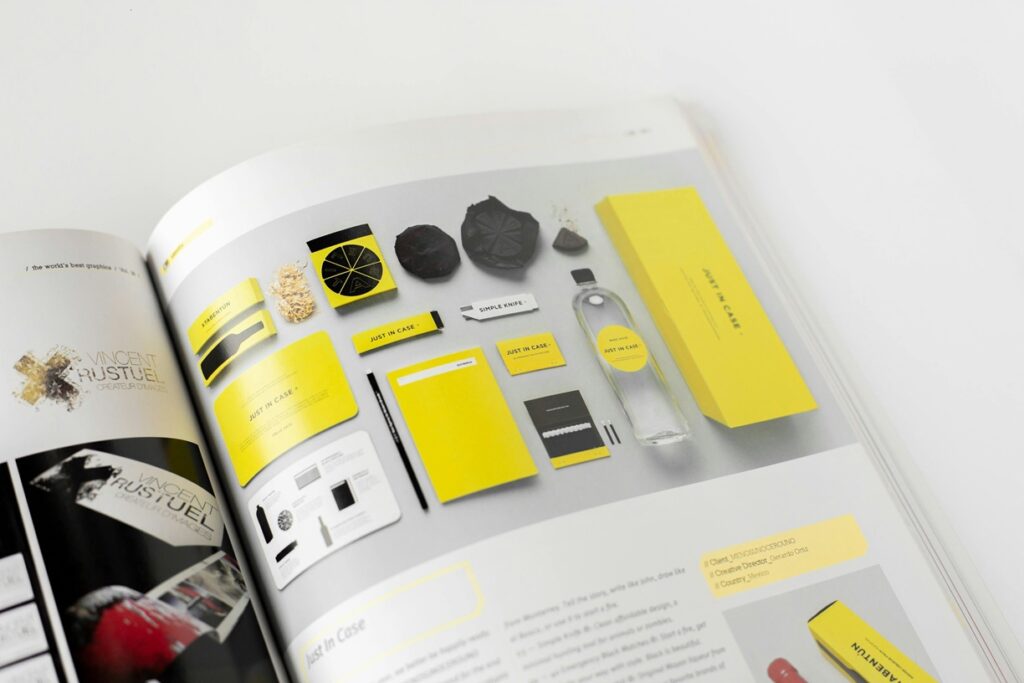
By the time I reached the visual identity stage, the strategy would already be so clear that the design decisions would almost make themselves.
The logo. The colour palette. The typography. The packaging. The photography direction. The way the brand moves on digital all of it would be a direct expression of the strategic foundation built underneath it.
For a Nigerian luxury brand, I would pay particular attention to the craft of the visual identity. Not just the logo but the world the logo lives in. The way the packaging feels in someone’s hands. The texture of the paper. The weight of the shopping bag. The experience of unboxing.
Luxury is a sensory conversation. And every touchpoint from the first Instagram post a potential client ever sees, to the moment they open their order at home is a sentence in that conversation. Every sentence has to be consistent. Every sentence has to be deliberate.
Because luxury clients do not separate the experience of buying from the quality of the product. The experience is part of the product. The brand is part of the product. The story is part of the product.
And if you tell that story well visually, verbally, and experientially, you are going to create value beyond selling something. You will create desire. And desire is the engine of every luxury brand that has ever stood the test of time.
I would build in public — loudly, intentionally, and in full colour
There is a type of founder who believes that a luxury brand should be mysterious. Secretive. Hard to access. And there is some truth in that. Exclusivity is a real brand mechanism.
But in Nigeria, in 2026, the luxury brands that are cutting through are not the quiet ones. They are the ones with a founder who has a voice. A perspective. A story that people feel connected to before they ever buy the product.
I would not hide behind the brand. I would be the face of it, at least in the early years. I would share the process. The thinking. The decisions and the reasoning behind them. I would build in public the way a master craftsperson builds in an open studio because when people watch something being built with that level of intentionality, they fall in love with it before it is finished.
The Nigerian luxury consumer and the global consumer increasingly hungry for authentic African luxury is not interested in owning the product alone. They want to know the story. They want to feel the legacy in their hands.
Give them the story. Build the legacy in public. And let the product be the proof of everything you said you were.
I would think Lagos, then London

The Nigerian luxury market is the foundation. But it was never meant to be the ceiling.
Lagos is one of the most sophisticated luxury consumer markets on the African continent and it is consistently underestimated. The purchasing power, the taste, the appetite for something locally made and globally worthy, it is all here. Build for Lagos first. Build for the Abuja customer. Build for the Port Harcourt woman who wants something that reflects her world and her worth.
But build it with the confidence that it belongs in any room in the world.
Because the luxury consumer in London or New York or Dubai who discovers a Nigerian brand that is built with the same rigour, the same intentionality, and the same visual sophistication as the European houses they already love but with a story and a craft and a cultural depth they have never encountered before, that consumer will eventually become a buyer and an envagelist for the brand.
Think local with depth. Think global with confidence. Build something so specifically Nigerian and so universally excellent that the world has no choice but to pay attention.
What Nigerian founders need to know about Luxury
Luxury is not a category. It is a standard.
It is the standard of thinking that goes into every decision. The standard of craft that goes into every product. The standard of communication that goes into every word the brand speaks. The standard of experience delivered at every touchpoint.
And that standard has nothing to do with geography. It has nothing to do with the size of your budget. It has nothing to do with how long the brand has existed.
It has everything to do with intention.
Nigeria has the creativity. Nigeria has the craft. Nigeria has the cultural richness. Nigeria has the stories. What has been missing for too many brands, for too long is the strategic foundation that turns all of that raw material into something the world recognises as luxury.
That foundation starts with strategy. It is built through consistency. And it is expressed through a visual identity so precise and so deliberate that it communicates the brand’s entire world before a single product is shown.
That is the work. That is the transformation.
And the Nigerian luxury brand that the world has been waiting for?
It starts with a founder who is willing to do it properly.
At Vic-Norah, we build the strategic and visual foundations that turn Nigerian businesses into premium brands built to attract, built to last, and built to be felt long before they are seen.Ready to build yours? Start with a Brand Clarity Audit. Contact us brandhub@vicnorah.com