You’ve read the articles. You’ve watched the tutorials. You’ve Googled “how to brand your business” more times than you’d like to admit. But something feels off all the time. Your business looks okay, maybe even good. But it doesn’t feel like you. It’s not attracting the clients you actually want annd the results are Inconsistent at best.
The truth nobody in the branding space is saying saying out loud is that
Most branding content is teaching you how to decorate a house with no foundation.
The Content Gap Nobody Is Filling
Search the internet for branding advice and you’ll find an ocean of “how-to” content — how to choose your brand colors, how to design a logo, how to write a bio. It’s all surface. It’s all aesthetic. And it’s creating a generation of businesses that look branded but aren’t actually built on a brand.
The real conversations — the ones that actually move businesses forward — are barely happening.
1. Your Logo Is Not Your Brand
This is possibly the most expensive misconception in the business world. Business owners spend thousands on logo design, celebrate the launch, and then wonder why nothing changed. Clients still don’t get what they do. Pricing is still a battle. The business still feels invisible.
A logo is a symbol. Your brand is the meaning behind that symbol — the perception, the promise, the feeling people associate with your business before you even open your mouth. You can have a beautiful logo sitting on top of a completely unclear brand, and it will cost you premium clients every single time.
The question shouldn’t be “What should my logo look like?” It’s “What do I want people to feel, believe, and expect when they encounter my business?” Until that is done, logo should not be prioritized.
2. Brand Strategy Is Not Optional — It’s the Foundation

Most small business owners treat brand strategy like a luxury — something big corporations do, not something relevant to them. This is one of the most damaging myths in entrepreneurship.
Brand strategy is simply this: a clear, intentional decision about who you are, who you serve, what you stand for, and how you communicate it consistently. Without it, every piece of content you create, every offer you launch, every client you attract is a guess.
With it? Everything clicks. Your messaging attracts the right people. Your pricing makes sense. Your visual identity feels coherent. Your clients refer you because they can describe you clearly to others.
Strategy should not be treated as a luxury. It’s the difference between a business that survives and one that scales.
3. You Cannot Attract Premium Clients With a Discount Brand
Premium clients — the ones who pay well, respect your process, and send referrals — do not make decisions the same way budget clients do. They are not looking for the cheapest option. They are looking for the most credible option. They are buying confidence, trust, and certainty.
And they read all of that from your brand before they ever speak to you.
If your brand looks inconsistent, unclear, or generic — even if your work is exceptional — premium clients will scroll past you and pay someone else twice your rate. Not because you’re not good enough. Because your brand didn’t communicate that you were.
Attracting premium clients is not a sales problem. It is almost always a brand positioning problem.
4. Brand Guidelines Are Not Just for Big Companies

“I’m too small for brand guidelines.” This is something we hear constantly — and it breaks our heart every time, because brand guidelines are actually most powerful for small businesses and personal brands.
Brand guidelines are your rulebook. They define how your brand looks, sounds, and shows up across every platform, every piece of content, every client touchpoint. Without them, inconsistency creeps in. And inconsistency is the silent killer of trust.
When a potential client visits your Instagram, then your website, then your LinkedIn, and it all feels like three different businesses — they don’t think “Oh, she’s still figuring out her aesthetic.” They think “I’m not sure I can trust this.” And they leave.
Consistency is professionalism and brand guidelines make consistency effortless.
5. Rebranding Is Not Starting Over — It’s Evolving
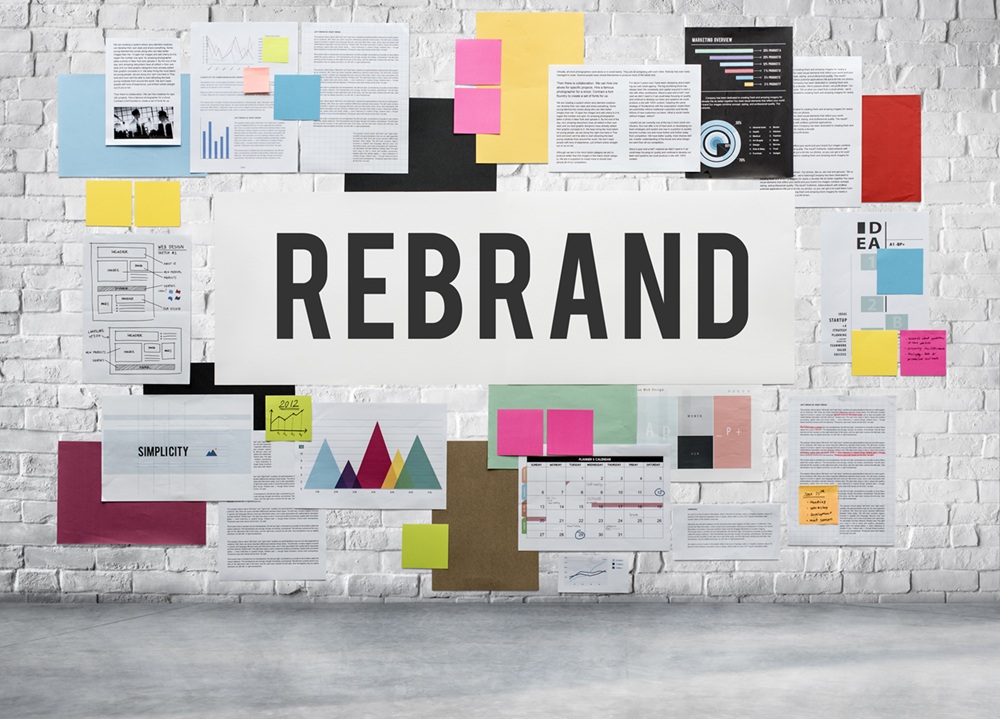
There’s a fear that sits in the chest of every business owner who knows their brand no longer fits them: “If I rebrand, will I lose everything I’ve built?”
The answer is no — if you rebrand with intention.
Rebranding is not erasing your past. It’s honoring where you started while stepping boldly into where you’re going. The most successful rebrands don’t confuse audiences — they excite them. Because people can feel when a business is growing into its truest form. They lean in. They follow along. They become more loyal, not less.
The mistake is rebranding reactively — changing things because you’re bored or because you saw something pretty on Pinterest. The power is in rebranding strategically — because your vision has expanded, your audience has shifted, or your old brand simply no longer reflects the transformation you’re offering.
The Bottom Line
If you’ve been following all the branding advice and still feel like something is missing — you’re probably right. What’s missing isn’t a better logo or trendier colors.
What’s missing is a brand built from the inside out. One rooted in strategy, aligned with your values, and designed to speak directly to the people you’re meant to serve.
That’s not a “how-to.” That’s a transformation.